Rotting Under Radiant Barrier
Q: I had radiant barrier material installed in March 1989. The result is my electric bills are lower than some of my neighbors with similar homes. Summer costs average about $60. Wintertime gas bills average about $85.
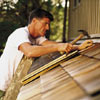 Somewhere I read about the possibility of a wood shake roof rotting from underneath when vapor is trapped. I'm unable to observe any problem either from inside the attic or outside. I can only assume the aluminum sheeting was installed properly but would it be advisable to have it inspected? We might move in the next year or two and I'd rather avoid surprises then.
A: Wood shake roofs rotting from trapped vapor is a roofing ventilation issue. Ventilation allows fresh air to replace the existing air and circulate within an attic. This keeps roofs cool, which can help lower cooling costs and extend the life of roofing materials such as asphalt shingles and wood shakes. It also prevents moisture condensation, which can lead to wood rot, mold, and indoor air pollution that can trigger health problems including allergies and asthma. This is why roofing ventilation in general is such an important topic.
Radiant barriers could affect the ventilation within an attic, so it is important to be sure they were properly installed. However, if you've been saving electricity while cooling your home through the past 11 summers, and you haven't detected any moisture related problems, your roof is probably well ventilated. But if the radiant barriers were improperly installed, they could still cause wood shakes to deteriorate prematurely.
In my experience, radiant barriers are usually installed under tile roofing with the shiny side up. When installed in homes roofed with wood shakes, it is usually draped inside the attic, tacked on the rafters with the shiny side facing inside. If this is how it was done, you are probably fine.
However, if you can't see the radiant barriers from inside your attic because they were placed between the felt and the shakes, you may want an inspection to make sure it was properly installed. I recommend calling the manufacturer to ask how it should have been installed. If you can't determine it was done right, you might ask if they could send out a representative to inspect it, or else you could hire a home inspector or roofer to come check it out.
If you are concerned about mold, you could always hire an environmental testing company. They have special equipment with which they can literally test the air to determine if and how much of exactly what kind(s)of mold or bacteria are present in your home, even if you can't detect anything by sight or smell.
Visit Home Advisor, submit a service request (it's free) and be matched with the ideal environmental testing company for you!
Good luck with your project!
-- Tips courtesy of HomeAdvisor.com