Checklist: Caring for Your Appliances
While appliances make our lives easier, they can also pose significant risks if not maintained properly. Use this guide to take a quick inventory of the health and safety of the appliances in your home:
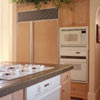
Kitchen
- If a gas appliance stops working, check to see if the pilot light has gone out.
- Wait until you have a full load of dishes before running the dishwasher.
- Whenever frost gets to be 1/4-inch thick in your freezer, it's time to defrost.
- Has a burner on your electric stove stopped working? They are easily replaced.
- Yellow flames in a gas stove are an indication of a problem. Flames should always be blue.
Laundry Room
- If the hoses in your washing machine are old, consider replacing them with the tougher metal hoses available at hardware stores.
- If your washing machine rattles when it runs, it may need leveling.
- For most items, lowering the water temperature to warm wash and cold rinse will get your clothes clean and reduce your energy bills.
- Clean the lint trap before you use your dryer. This will prevent a fire hazard, save you energy and make your clothes dry faster.
- Regardless of what kind of exhaust tubing you have, clean the outside vent once a year and make sure it opens when the dryer is on and closes properly when the dryer is off.
- Don't let lint and debris accumulate under a dryer or it can become a fire hazard.
Water Heater
- Lower the thermostat on the water heater to 120 degrees to prevent scalding injuries.
- To minimize flood damage, make sure there is a clear path from the water heater to a floor drain.
Always
- Make sure that extension cord connections are secure.
- Use an extension cord that is the appropriate size for your needs.
- If an appliance stops working, test the outlet with a lamp or radio.
- Never store paints, solvents and other chemicals anywhere near an appliance with a pilot light.
-- Tips courtesy of HomeAdvisor.com